
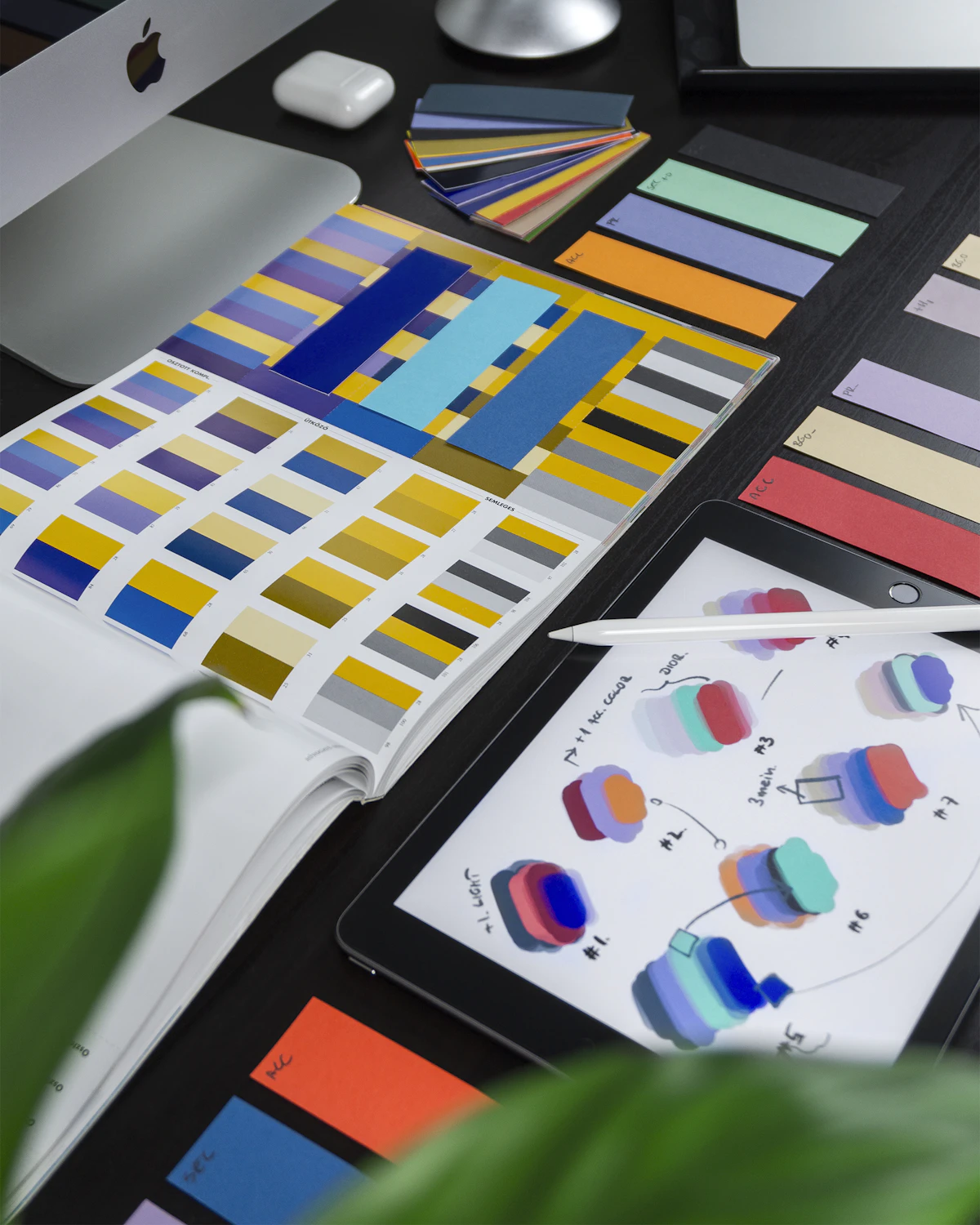
User experience design is more than just making things look pretty. It's about creating meaningful, efficient, and delightful interactions that solve real problems for real people.
Understanding User-Centered Design
At the heart of great UX design lies a deep understanding of your users. This means:
- User Research - Conduct interviews, surveys, and usability tests
- Persona Development - Create detailed user personas based on real data
- Journey Mapping - Understand the complete user journey
The Design Process
A structured approach to UX design ensures consistent, high-quality results:
1. Discovery and Research
Before jumping into design, invest time in understanding the problem space. This includes competitive analysis, user interviews, and stakeholder alignment.
2. Information Architecture
Organize content and functionality in a logical, intuitive way. Create site maps, user flows, and wireframes to establish the foundation.
"Good design is invisible. When users can accomplish their goals without thinking about the interface, you've succeeded."
3. Visual Design and Prototyping
Transform wireframes into high-fidelity designs that reflect your brand and delight users. Key considerations include:
- Visual hierarchy and typography
- Color psychology and accessibility
- Consistent design systems
- Responsive design principles
Modern Design Tools and Workflow
The right tools can significantly improve your design workflow:
Figma for Collaborative Design
Figma has revolutionized how design teams collaborate. Its real-time collaboration features, component systems, and developer handoff capabilities make it the go-to choice for modern design teams.
Design Systems
Building and maintaining a design system ensures consistency across products and speeds up the design process. Key components include:
- Color palettes and typography scales
- Reusable UI components
- Spacing and layout guidelines
- Interaction patterns and animations
Accessibility in Design
Inclusive design isn't optional—it's essential. Consider these accessibility principles:
- Color contrast - Ensure sufficient contrast ratios
- Keyboard navigation - All functionality should be keyboard accessible
- Screen reader support - Use semantic HTML and ARIA labels
- Flexible layouts - Design for different screen sizes and zoom levels
Testing and Iteration
Great UX design is never finished—it's continuously improved through testing and iteration:
- A/B testing for data-driven decisions
- Usability testing with real users
- Analytics and heatmap analysis
- Regular design reviews and feedback sessions
Conclusion
Creating intuitive user experiences requires a combination of empathy, methodology, and continuous learning. By focusing on user needs, following established design principles, and embracing modern tools and practices, designers can create products that truly make a difference in people's lives.